
Protect Connecticut’s Waters from Toxic Chemicals
Pass a statewide ban in CT on the pesticide acelepryn, and pass the CT pesticide modernization act
Connecticut’s rivers, coastal waters, and shellfish beds are increasingly threatened by pesticide runoff and toxic chemicals used in lawns, athletic fields, and landscaping. From neighborhood fields to Long Island Sound, these pollutants travel downstream — harming marine life, impacting public health, and undermining our coastal economy.
The Connecticut Chapter is working with Connecticut Pesticide Reform to advance a coordinated strategy to increase transparency, eliminate the most harmful chemicals, and prevent pollution at its source. We are using a three-pronged approach to modernize & expose, protect marine life, and stop harmful turf expansion. Learn more about each below.
-
Ban the pesticide Acelepryn statewide
-
Pass the Pesticide Data Modernization Act- VICTORY 5/6/2026
- Fight proposals to replace natural grass fields with Turf Fields
Want to Get Involved?
If you are interested in getting involved with this effort, please email chair@ct.surfrider.org.
To learn more about our other campaigns, visit our campaign site.
1. Protect Marine Life: What is Acelepryn?
Chlorantraniliprole (CAP) is a relatively new and widely used pesticide that targets grubs, caterpillars, and other soil-dwelling invertebrates. It is highly toxic to aquatic invertebrates like oysters, crayfish, shrimp, and smaller organisms that make up the base of the food chain.
How does Acelepryn pollute the water?
While it is sprayed upstream on farms or landscaping, this pesticide readily spreads to waterways and marine environments through runoff, carried downstream through irrigation and rainwater. Some formulations of the pesticide can create runoff for months after it is first applied! Once in the water, it can harm or kill the shellfish and organisms that support healthy ecosystems, our blue economy, and tourism.
Why are oysters important?
Oysters are incredibly important to protecting clean water and supporting our communities economically.
- Oysters naturally filter as much as 50 gallons of water a day
- Oysters help improve water clarity, reducing nitrogen and sediment floating in the water
- Oyster reefs and shells provide habitat for fish and marine life
- The Connecticut oyster industry contributes $23 million to the state economy each year
- The Connecticut shellfishing industry provides over 300 jobs statewide
- Connecticut ranks in the top five of all shellfish-producing states, and is ranked third along the Atlantic coast
How is the Connecticut Chapter Taking Action?
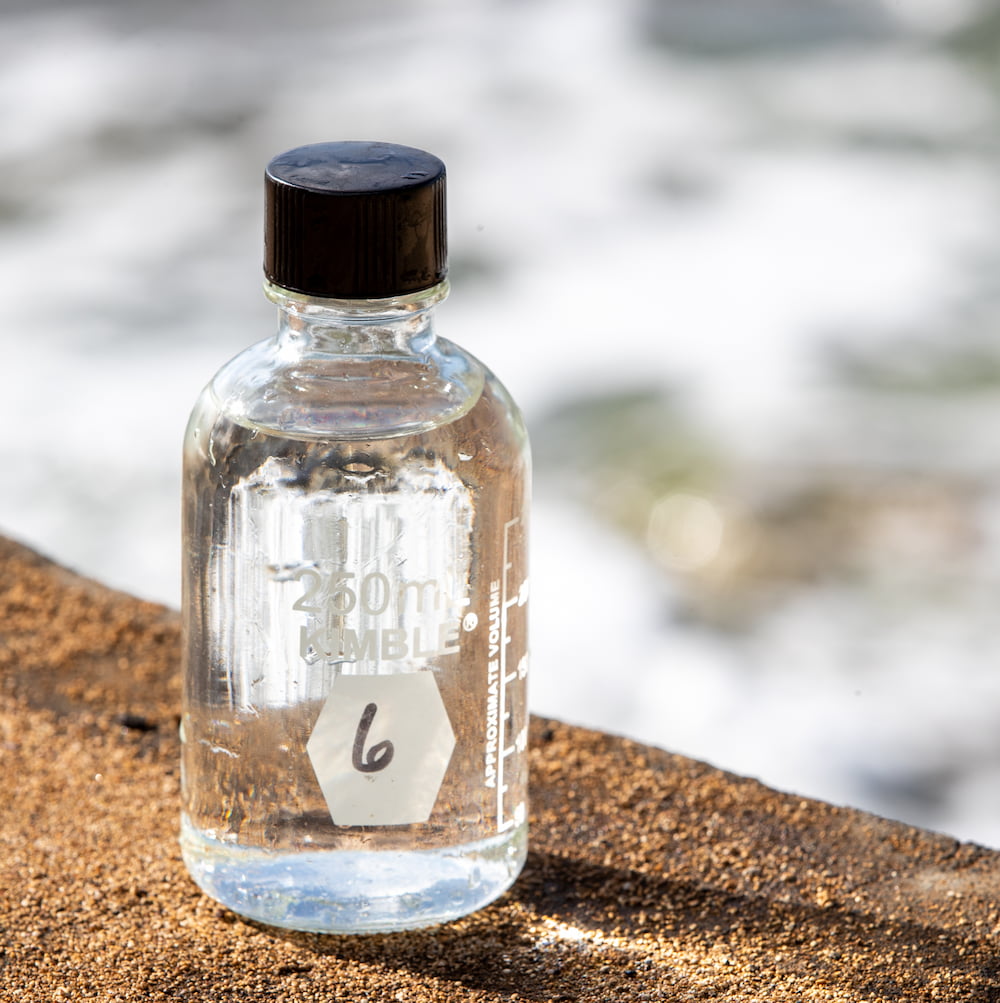
Surfrider CT is actively working with a coalition of environmental groups to ban Acelepryn across the state. The CT chapter is fundraising for and facilitating water tests across CT to detect current levels of this pesticide in the water. Testing for specific pesticides is an expensive process and not done in routine water testing. They will also be conducting tests exposing oysters to Acelepryn-contaminated water to determine the direct effects.
2. Modernize & Expose: Support the Connecticut Pesticide Data Modernization Act
UPDATE AS OF 5/6/26
We’re excited to share a major victory for environmental transparency and public health in Connecticut.
HB 5155, An Act Concerning Pesticide Reporting Modernization, has officially passed both the Connecticut House and Senate unanimously and now heads to the Governor’s desk to be signed into law.
BACKGROUND
We are advocating for legislation that:
- Requires updated, digital pesticide reporting systems
- Creates a searchable, publicly accessible database
- Improves transparency around where, what, and how much pesticide is used
Why it matters: Transparent data enables science-based policymaking, protects vulnerable communities, and strengthens accountability.
This modernization effort is supported by environmental and public health advocates who argue that better data will empower informed policy decisions and community action around pesticide risks. The current legislative vehicle for this effort in the 2026 session is House Bill 5155, “An Act Concerning Pesticide Reporting Modernization,” which has been referred to Connecticut’s Joint Committee on Environment.
3. Prevent Pollution at the Source: Stop Harmful Turf Expansion
Artificial turf fields:
- Contain PFAS (“forever chemicals”)
- Shed microplastics into waterways
- Increase stormwater runoff
- Often rely on chemical-heavy maintenance practices
Reducing turf expansion prevents long-term chemical contamination and protects communities from avoidable exposure.
We urge lawmakers to:
✔ Pass the Connecticut Pesticide Data Modernization Act
✔ Ban Acelepryn and other pesticides harmful to aquatic ecosystems
✔ Reject harmful artificial turf expansion proposals
Clean water starts upstream — and the time to act is now.